We find out why your barrier arm is failing, explain what we found, and then recommend repair or replacement.
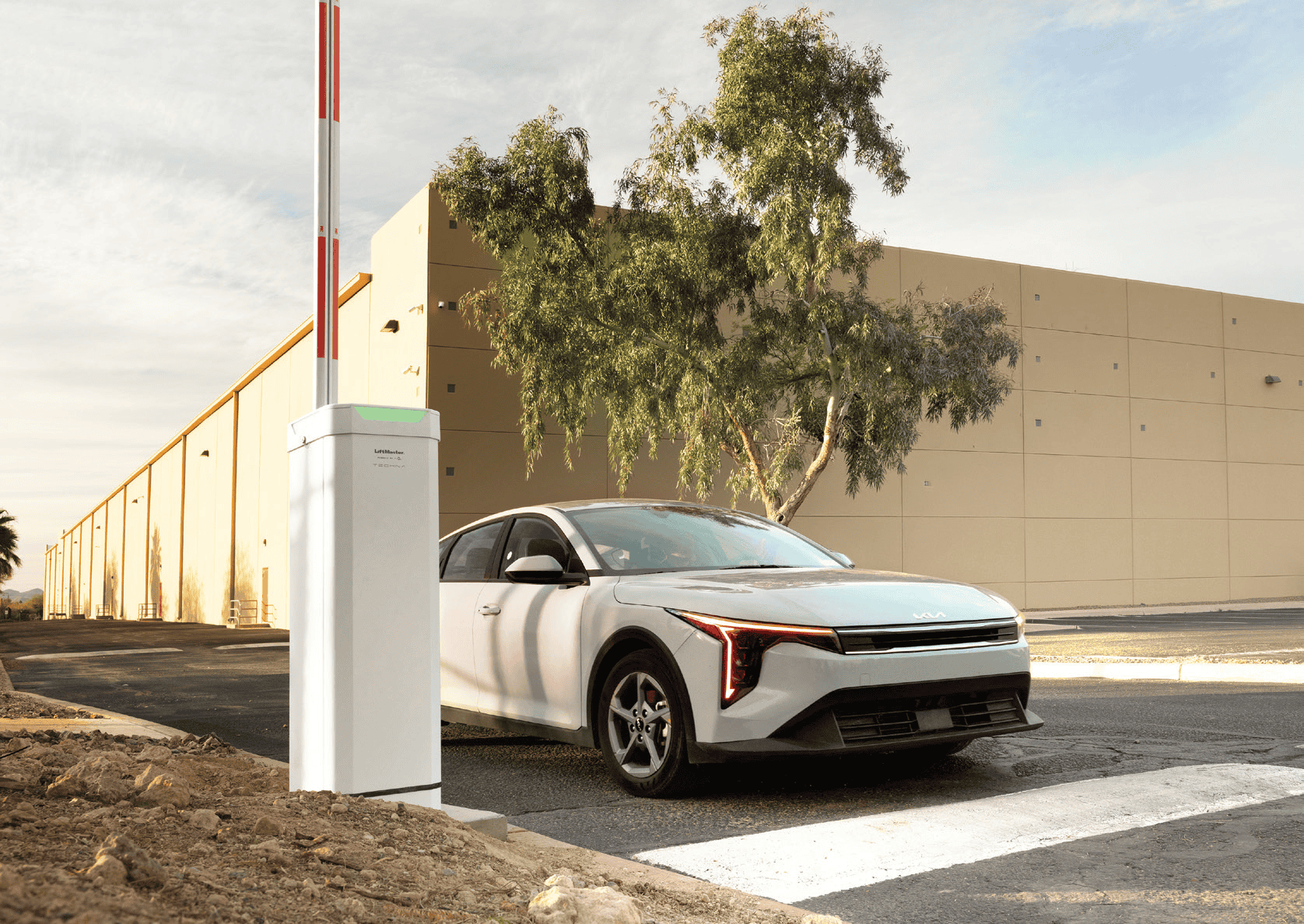
A1 Gate Guys provides commercial barrier arm service in Plano, TX and across North DFW for property managers, facility managers, and HOA boards. We test the operator, wiring, sensors, and controls to find what is actually causing the problem. Then we explain your options and recommend repair or replacement.
A commercial barrier arm is a powered arm that raises and lowers to control vehicles at a parking entrance, commercial lot, industrial site, or community entrance. It is a traffic and access-control device, not a crash barrier. When it fails, the cause can sit in the arm, the operator, the controls, the vehicle detection, or the access device that sends the open command.
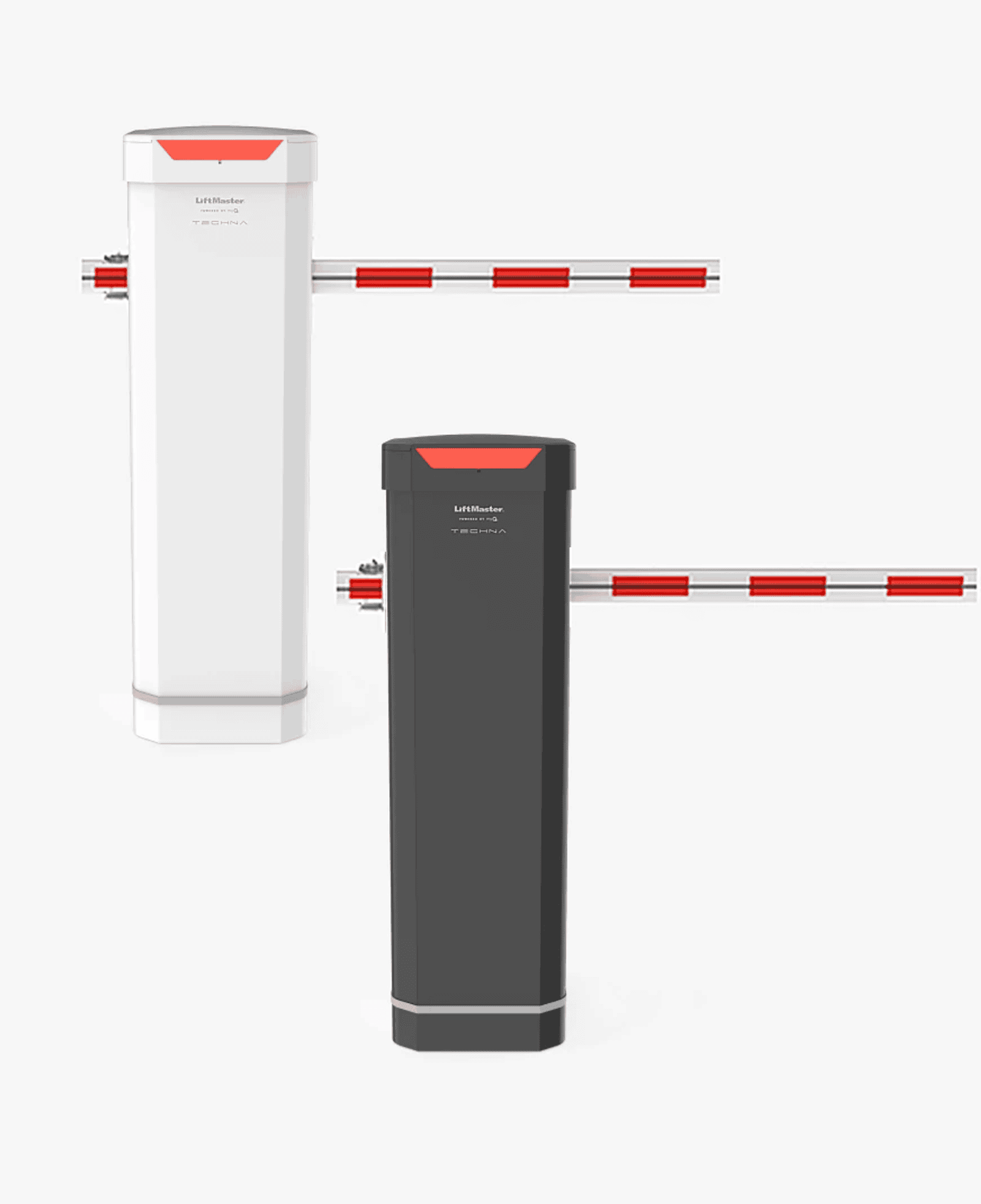
The arm and its hardware:
the boom, mounting plate, pivot, and counterbalance springs.
The operator cabinet:
the motor, drive, control board, and power supply.
Vehicle detection:
in-ground loops and loop detectors that sense a vehicle in the lane.
Safety devices:
photo eyes or other sensing devices, depending on the operator and the site.
Access control:
card readers, keypads, remotes, transponder readers, or intercoms that tell the arm to open.
Some of these symptoms overlap with the common gate operator issues we see on slide and swing gates, but a barrier arm has its own failure points. Request a diagnosis if:
The arm will not rise or will not lower.
The arm stays down after a valid card, code, or remote.
The arm stays up and leaves the lane open.
The arm moves slowly, unevenly, or with a new noise.
The arm comes down on or close to a vehicle.
A vehicle has struck the arm.
The access reader works, but the arm does not respond.
The system works some days and fails on others.
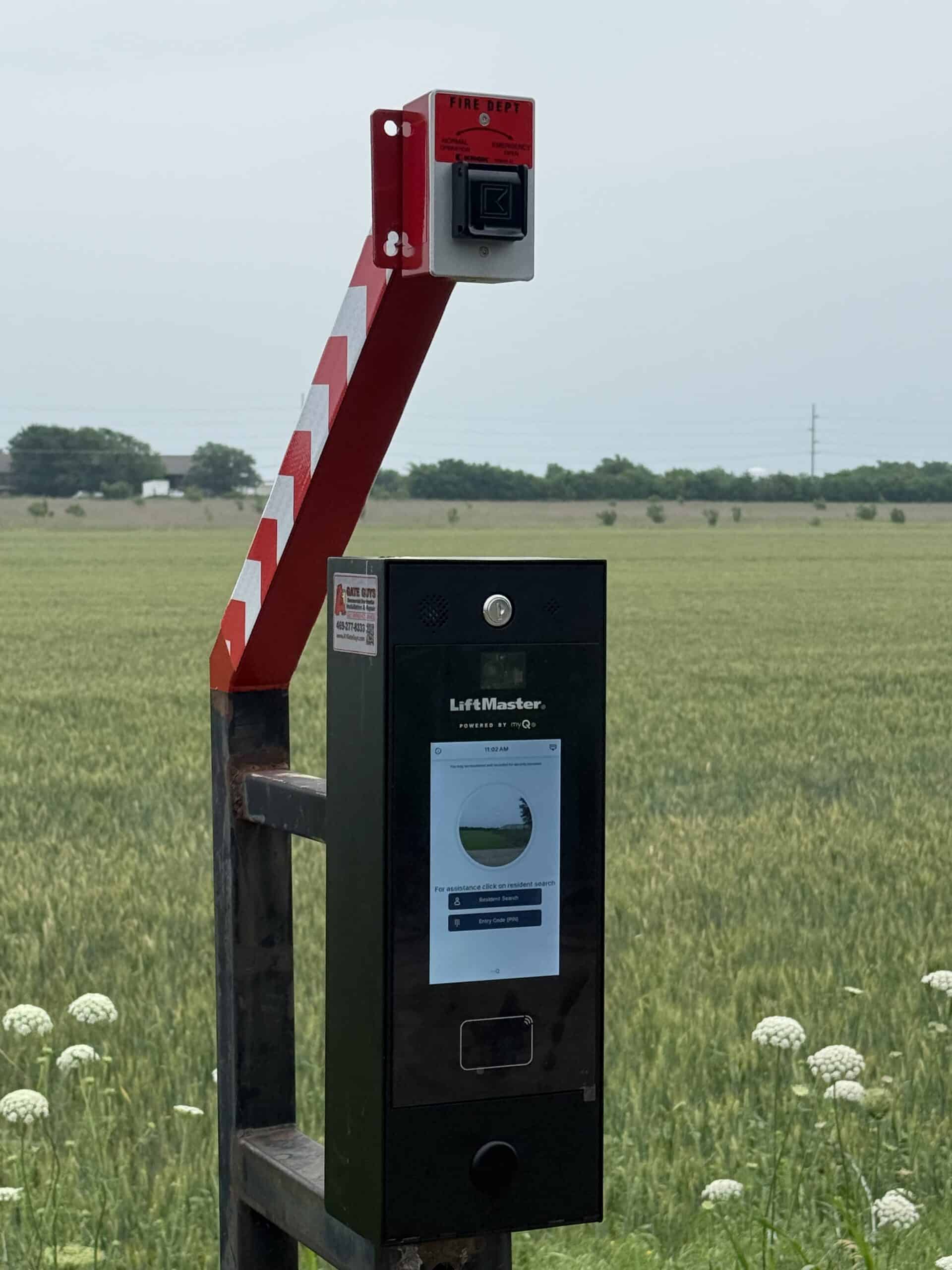
We test before we recommend anything. A barrier arm that will not open is not always a bad arm: a failed relay, a detector fault, or a power issue can produce the same symptom. Finding the real cause first helps avoid replacing parts that were never the problem.
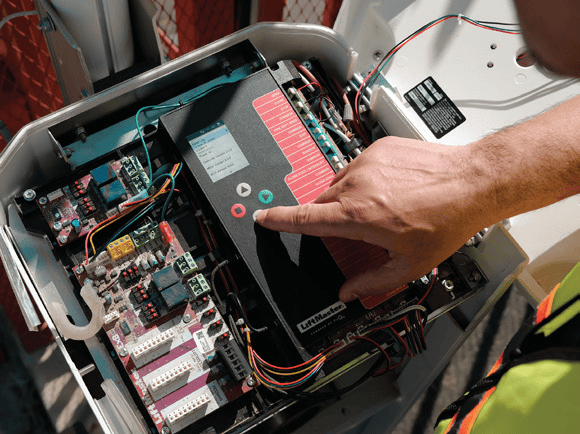
You tell us what is happening. Share the symptom, when it started, and the operator brand if you know it.
We test the system. The technician checks the operator, wiring, sensors, and controls to find what is causing the symptom.
We explain what we found. We walk you through the cause and the options in plain language, so you can brief ownership, a board, or a management company.
We recommend repair or replacement. You decide on the next step before the work moves forward.
Barrier arm safety depends on the operator model, the installation, the accessories, and the standards that apply to that equipment. UL 325 and ASTM F2200 are safety standards for automated vehicular gate systems, but barrier arms are not always held to the same entrapment-protection setup as slide or swing gates. Because the requirements vary, it helps to look at how the whole installation works together, not only at the arm. Learn more in our guide to UL 325 and ASTM F2200 gate safety.
Repair usually makes sense when the problem is isolated to one component and the operator and mounting are still sound. Replacement becomes more likely when failures repeat, parts are obsolete or unavailable, a vehicle strike has affected alignment or safety, or the current system cannot support the access control the property now needs. A diagnosis tells you which situation applies.
Situation
Repair is more likely
Replacement is more likely
One component has failed
Repair is more likely
Arm hardware, detector, relay, wiring, or a control component
Replacement is more likely
Not usually
Failures keep coming back
Repair is more likely
Not usually
Replacement is more likely
Operator or complete system
Parts are obsolete or unavailable
Repair is more likely
Not usually
Replacement is more likely
Operator or complete system
A vehicle struck the arm
Repair is more likely
Arm or hardware, if the structure is sound
Replacement is more likely
Arm, operator, or system, if alignment or safety is affected
The system is aging
Repair is more likely
A repair may extend service for now
Replacement is more likely
A current operator with suitable controls
Access control needs an upgrade
Repair is more likely
Possible, if the existing equipment supports it
Replacement is more likely
Often more practical with new equipment
This service is for the people responsible for a controlled vehicle entrance: commercial property managers, facility managers, and HOA or community decision-makers. It fits managed properties, businesses, multi-gate sites, and community entrances with a barrier arm at a controlled vehicle lane.
This page covers barrier arms used for traffic and access control. Crash-rated or anti-ram perimeter protection is a separate security-design question. A1 Gate Guys focuses on gate operators and access components rather than fence or gate fabrication. For commercial sliding or swinging gates, see commercial slide and swing gate repair.
A1 Gate Guys provides commercial barrier arm service in Plano, TX and throughout North DFW, including McKinney, Frisco, Allen, Prosper, and Richardson. If your property is nearby but not listed, call to confirm coverage.
A1 Gate Guys
Phone: 469-277-8333
Email: info@a1gateguys.com
Hours: Monday to Friday, 8 a.m. to 5 p.m.; Saturday, 8 a.m. to 3 p.m.; Sunday: Closed; Emergencies: Open 24/7
Property managers and boards need a clear answer they can take to ownership. Here is how we approach barrier arm service.
Diagnosis before decisions.
We explain what is wrong and what your options are before we recommend repair or replacement.
Company technicians.
Every technician who comes to your property is an A1 Gate Guys employee.
LiftMaster and other brands.
A1 Gate Guys is an Authorized LiftMaster Dealer and also services other major gate operator brands.
Plain-language findings.
We explain the cause and the options so you can share them with ownership, a board, or a management company.
Local service area.
We serve Plano and North DFW, including McKinney, Frisco, Allen, Prosper, and Richardson.
Commercial barrier arm service in Plano, TX from A1 Gate Guys starts with a diagnosis. We test the operator, wiring, sensors, and controls to find the real cause of the problem, explain what we found in plain language, and then recommend repair or replacement based on the condition of the equipment.
An arm that stays up often points to the system rather than the arm itself. Possible causes include a vehicle loop or detector that keeps sensing a vehicle, a relay stuck closed, a control board fault, a misconfigured access device, or a safety device holding the arm open. Each part should be tested before anything is replaced.
If the reader accepts a card or code but the arm does not move, the fault may be in a relay, the wiring, the operator input, or the operator itself. If nothing responds at all, the cause may be a power loss, a control board fault, or mechanical binding. A diagnosis identifies which one is stopping the lane.
Sometimes. If the operator and mounting are still sound, repairing or replacing the arm and its hardware may be enough. If the impact bent the mounting, damaged the counterbalance springs, or pushed the operator out of alignment, more of the system may need repair or replacement. The whole assembly should be inspected before the arm goes back into service.
It depends on the cause. Repair fits an isolated failure on equipment that still has parts available. Replacement fits repeated failures, obsolete parts, impact damage that affects alignment or safety, or a need for access control the current operator cannot support. Our commercial barrier arm service in Plano, TX begins with a diagnosis so the recommendation matches what we find.
Yes. A card reader, keypad, remote, or intercom can appear to work while the arm never receives the open command. The fault may sit in a relay, the wiring, or the operator input rather than in the arm. That is why a diagnosis should look beyond the arm itself. When you request service, tell us which access devices are installed at the lane.
We work on LiftMaster gate operators and other major operator brands. Barrier arm models vary, so please share the brand and model printed on the operator label when you request a diagnosis. That helps us check whether we can work on that equipment.
It can be. An arm stuck up leaves the lane uncontrolled, and an arm stuck down can block tenants, residents, visitors, and deliveries. Call 469-277-8333 and describe what the arm is doing so we can talk through next steps. If the arm was struck, keep people and vehicles clear of it until it has been inspected.
We provide commercial barrier arm service in Plano, TX and across North DFW, including McKinney, Frisco, Allen, Prosper, and Richardson. If your property is near these cities but not listed, call 469-277-8333 to confirm coverage before you schedule a barrier arm diagnosis.
Tell us what the arm is doing and we will find out why. To help us prepare, include:
The property type and location.
The operator brand and model, if it is visible on the label.
What the arm is doing and when it started.
Whether a vehicle struck the arm.
The access-control devices at the lane, such as card readers, keypads, or intercoms.
We diagnose the problem before recommending repair or replacement.